

When you walk into an EPS foam factory, it is usually divided into four main areas:
- A.Production Area – This is where the foam is made.
- B.Cutting & Packing Area – This is where foam boards are cut into shape and products are packed.
- C.Warehouse – EPS products are very light but take up a lot of space, so the warehouse is usually quite large.
- D.Office Area – Where the administration and staff facilities are.
Inside the Production Area
If the factory has enough space, the production area can be split into three separate sections:
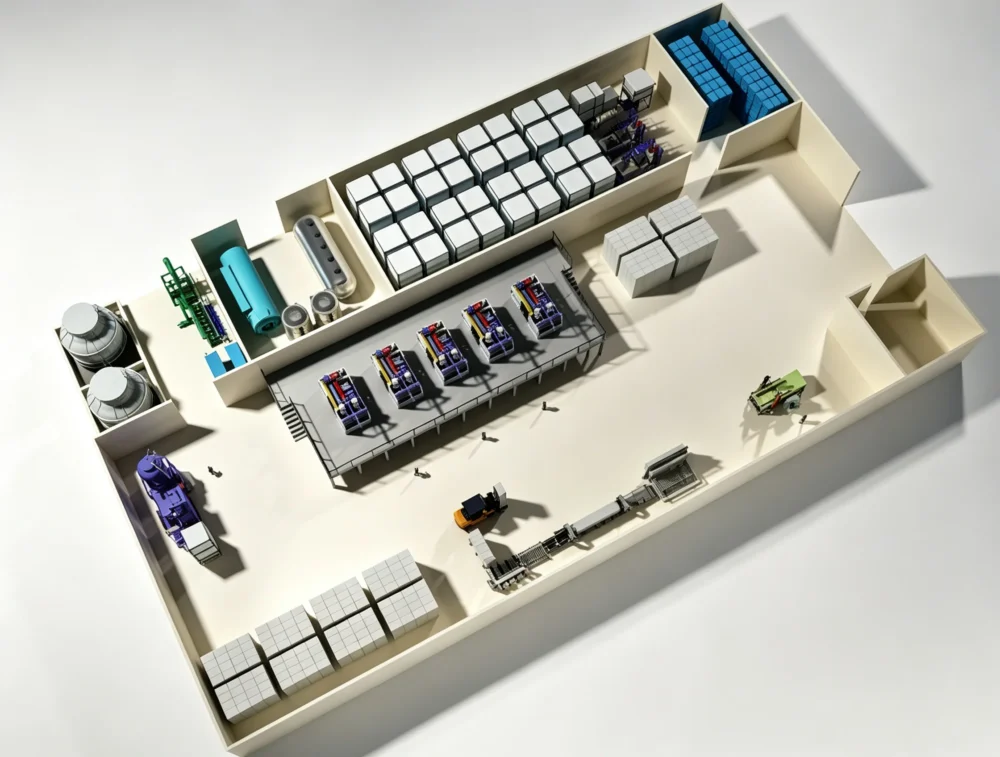
A.Pre-Expansion & Material Storage
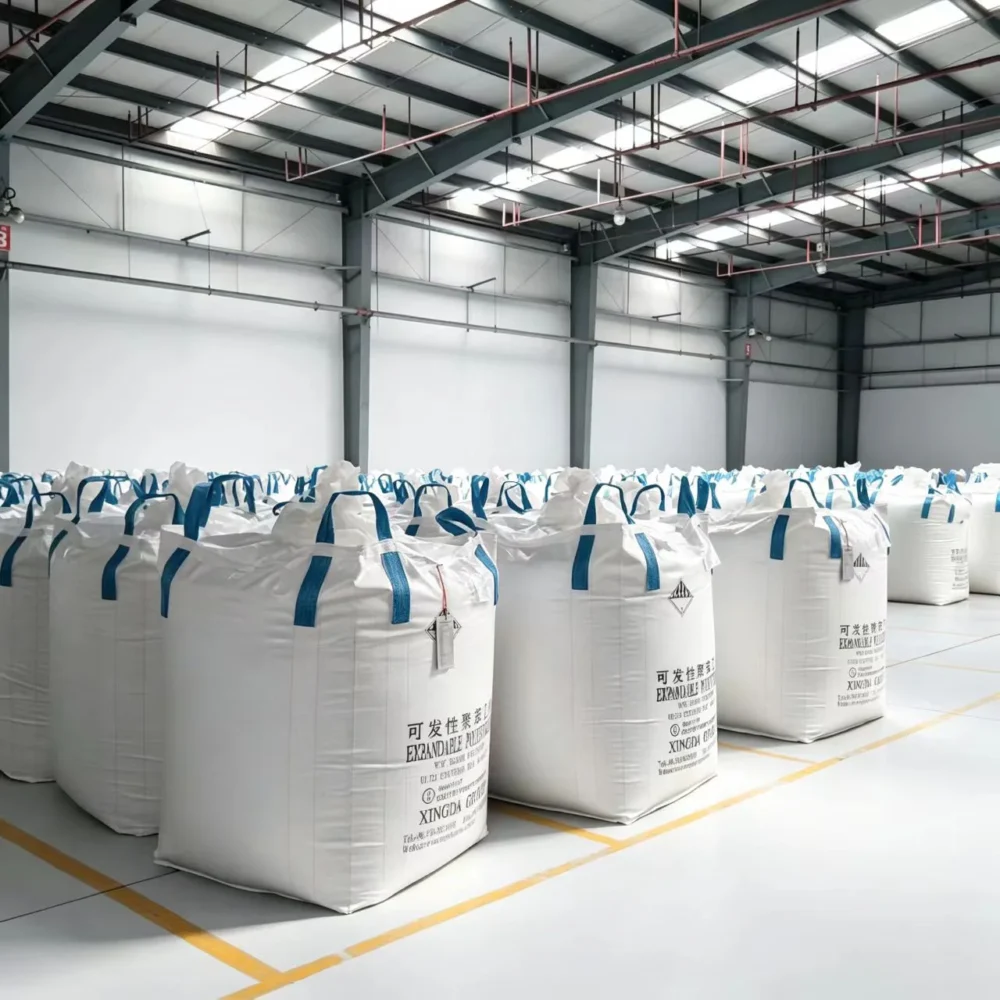
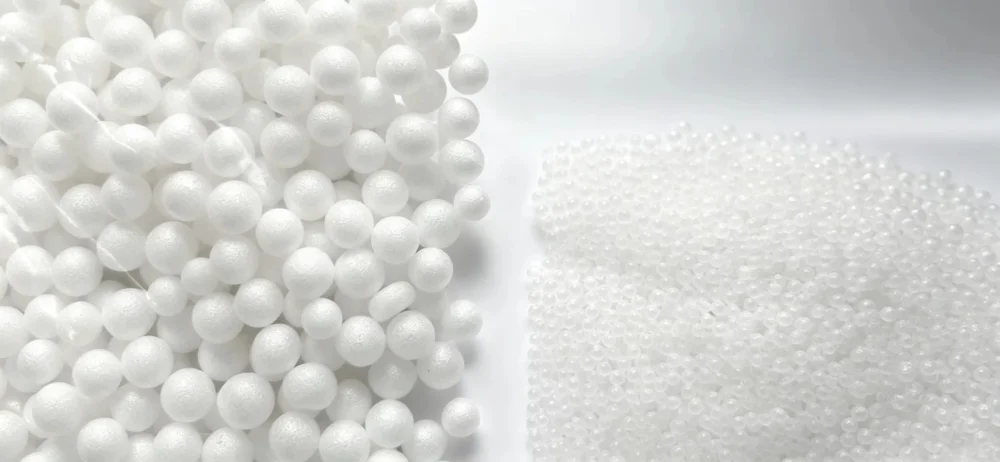
- Raw Material: EPS beads start off dense—about 1030 kg per cubic meter (similar to water).
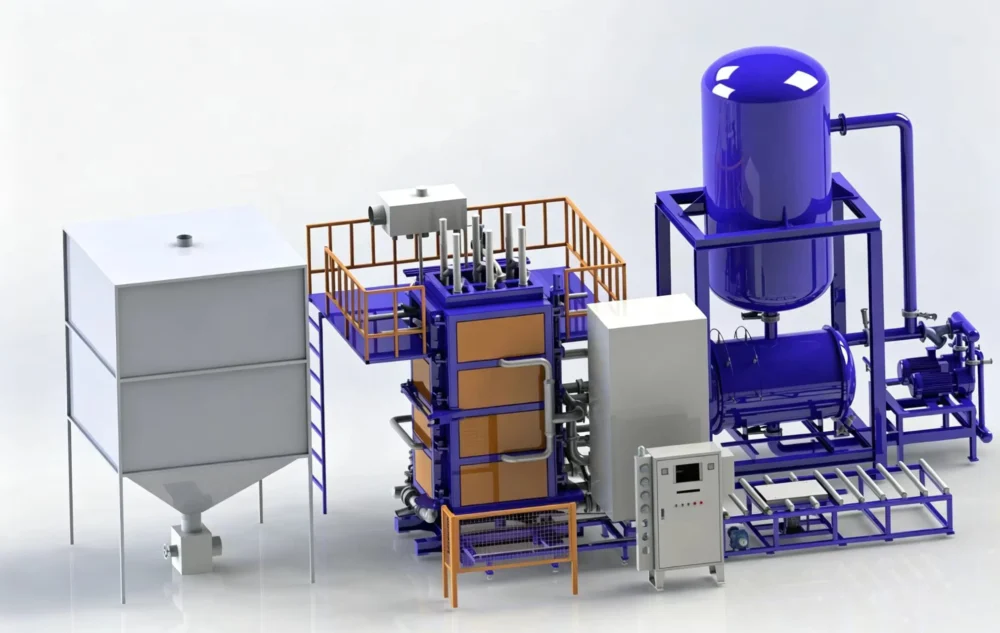
- Expanding: The beads are put into an expansion machine, which uses heat to puff them up to many times their original size. They come out looking like small, lightweight pearls.
- Controlling Density: By adjusting the machine, you control the size of the beads. Bigger beads mean lighter foam.
- Aging: After expansion, the beads are stored in large silos for 8 to 12 hours (sometimes longer, depending on what density you need). This resting period lets them dry and stabilize. A good expansion machine is important because it gives you very precise density and uniform beads.
B.Molding & Packing (For Packaging Products)
The aged beads are blown into molding machines. Steam is used to fuse the beads together inside a mold to make specific shapes—like packaging for electronics or fruit boxes. Once made, these items are packed right away.
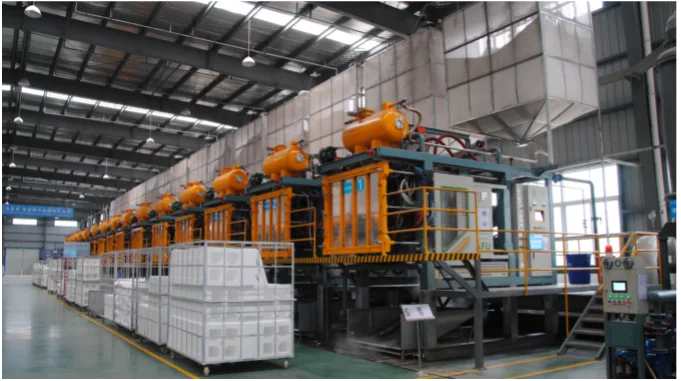
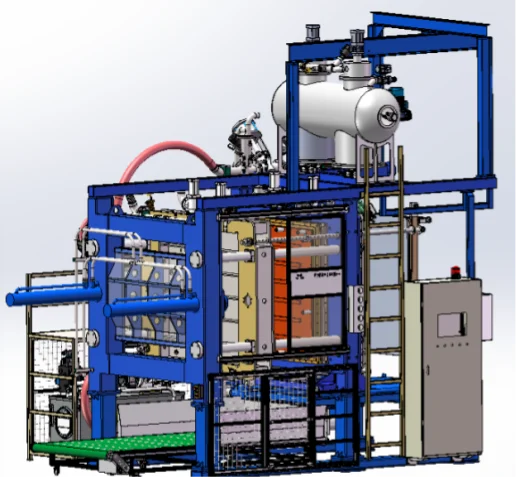
C.Block Molding (For EPS panel and deco part)
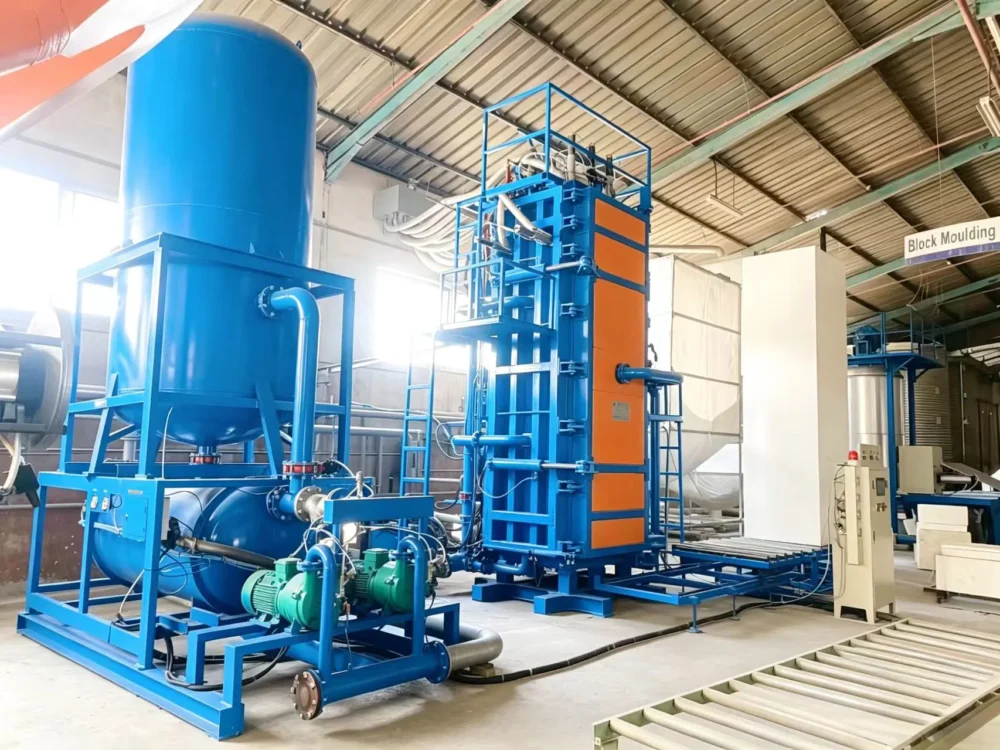
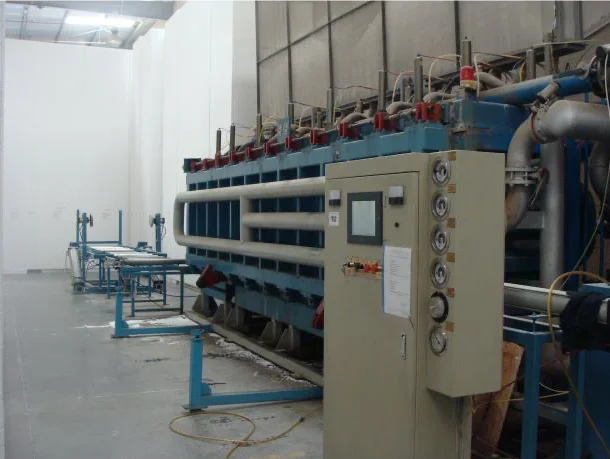
This section is for making large foam blocks. The beads are filled into a large mold and fused with steam to create a huge block of foam. These blocks are then sent to the cutting area to be sliced into boards or special shapes.
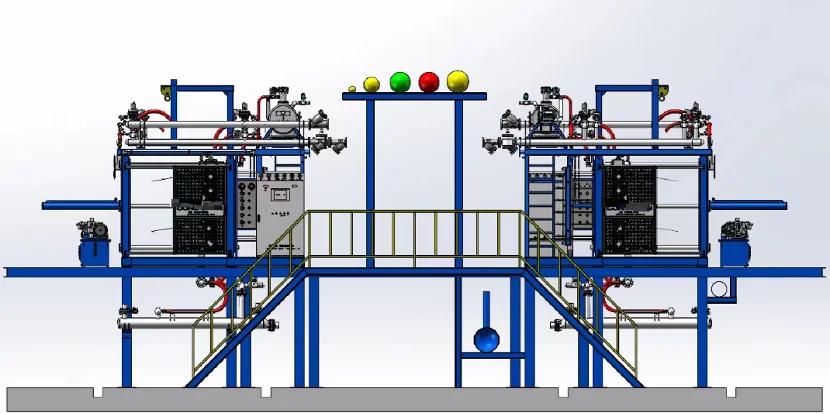
To ensure the efficient operation of all equipment—including pre-expanders, block molding machines, and shape molding machines—we have identified two key factors:
Firstly, the equipment itself is the top priority.
The performance and quality stability of machines vary significantly by brand. This difference is especially evident in how efficiently the equipment utilizes energy sources like steam and cooling water, and how precisely it controls process parameters. Some machines may waste energy while struggling with precision, whereas high-quality equipment can achieve higher output with lower input.
Green building machinery has always been committed to the R&D and manufacturing of energy-efficient and stable foam equipment in EPS industry. We firmly believe that a superior machine is itself a power source that continuously delivers efficiency and energy savings.
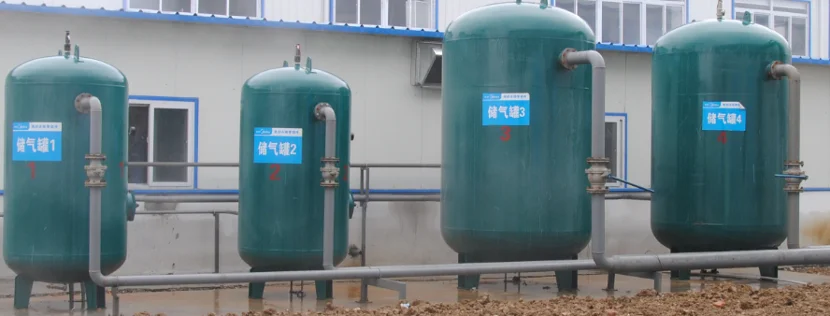
Secondly, stable external conditions are indispensable.
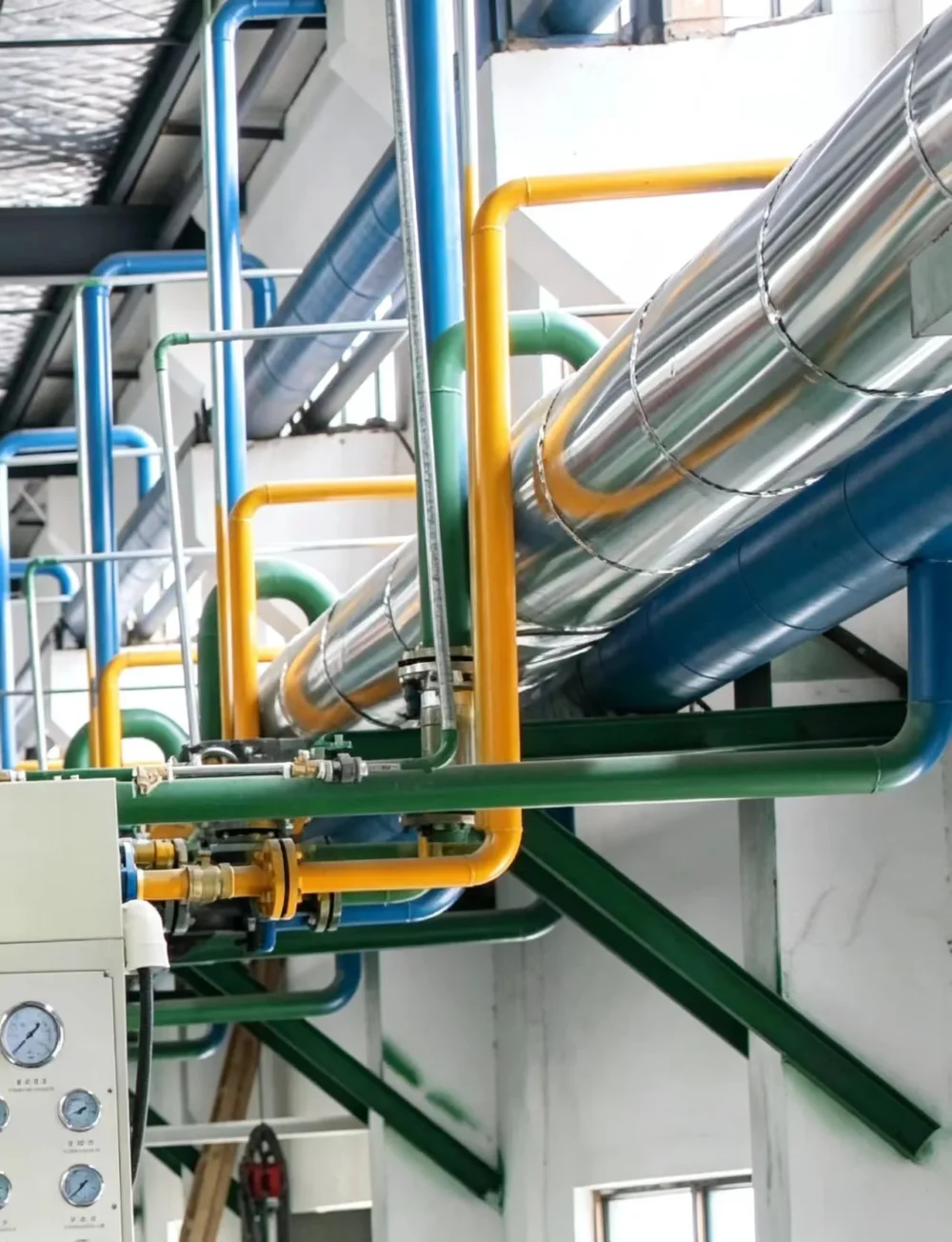
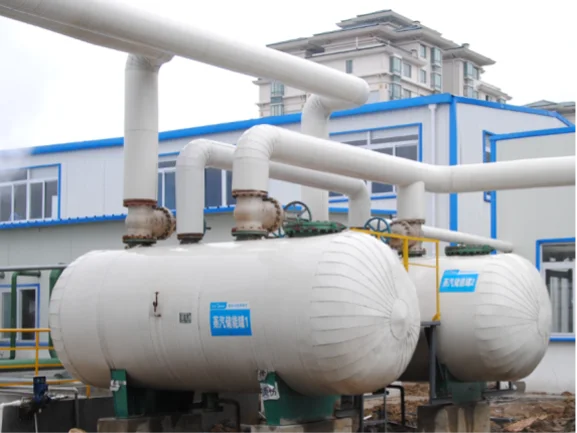
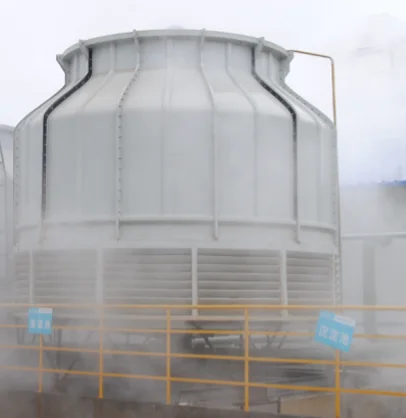
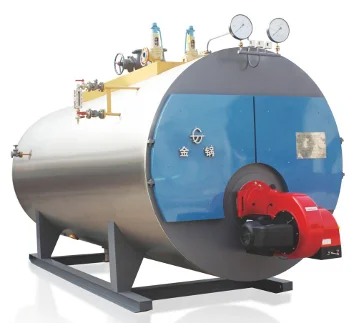
To ensure the smooth operation of the pre-expansion, molding, and block production areas, we must secure three critical external conditions: Steam, Cooling Water, and Compressed Air. Stable utilities can significantly reduce the scrap rate and improve overall production efficiency.
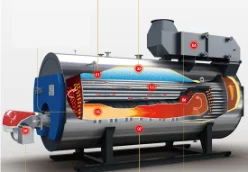
Steam
We use saturated steam. First, all steam pipes must be properly insulated to minimize heat loss and prevent excessive condensate formation. Second, to ensure the steam is dry and saturated, it is recommended to install enough steam traps along the pipelines to remove condensate effectively. Using dry, saturated steam is essential for achieving high quality in both the pre-expansion and molding processes.
Cooling Water
The main water pressure at the workshop inlet should be stable at 4 kg/cm² (approx. 0.4 MPa) . During the cooling phase of the molding machines, the continuous flow pressure at the machine inlet must be maintained at 2 kg/cm² (approx. 0.2 MPa) . If the workshop operates multiple molding machines simultaneously, installing a water pressure stabilization system (such as a variable frequency constant pressure water supply) is highly recommended. This prevents pressure drops caused by multiple machines drawing water at the same time.
Compressed Air
Compressed air is the power source for all pneumatic components (such as cylinders and valves) on the equipment. Therefore, a stable, dry, and clean air supply is necessary. The working pressure should typically be maintained above 5 kg/cm² (approx. 0.5 MPa) . If the air pressure falls below this standard or fluctuates widely, pneumatic components may respond slowly or fail to actuate properly, severely impacting production stability
Block Cutting and package
From the foam product production area, semi-finished products will be moved to a relatively quiet and dry Area : panel cutting and packaging area
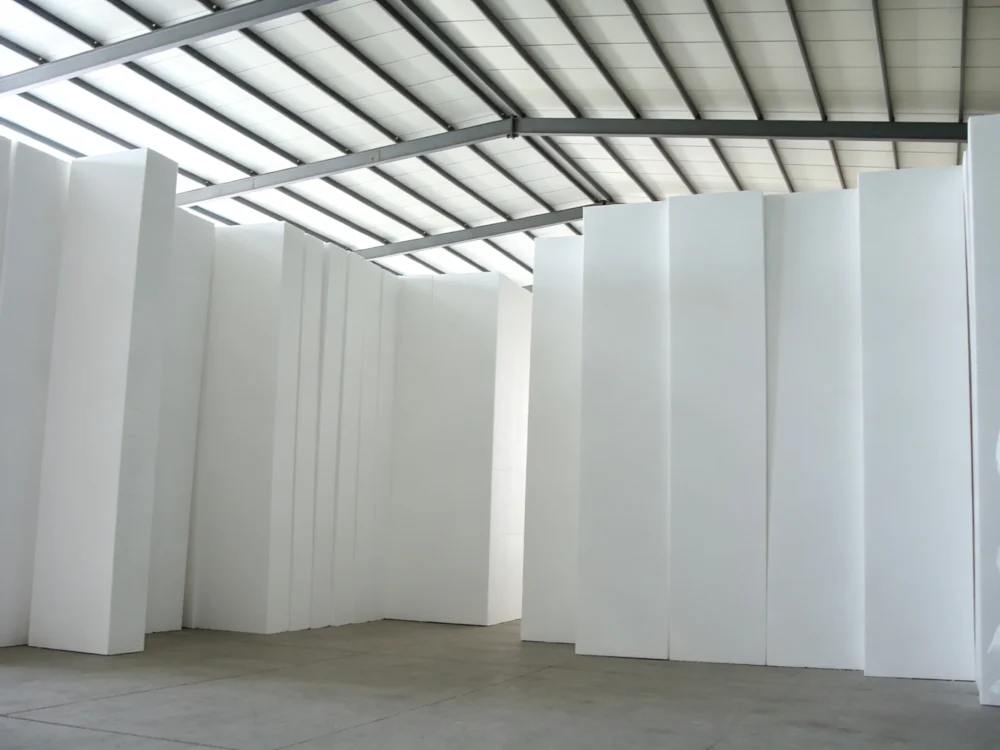
Board Cutting:
For standard insulation boards, the blocks are sliced into thin sheets using cutting machines. Some factories use simple machines for basic cuts, while others have continuous, high-efficiency cutters that can handle large volumes quickly.
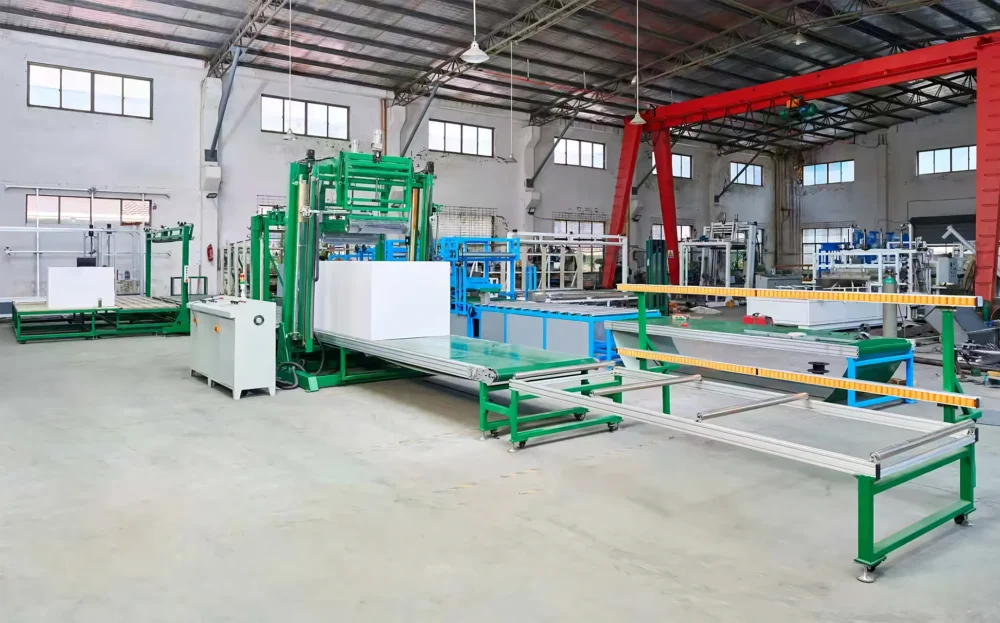
CNC Cutting & Shaping:
For special orders, the foam can be cut into different shapes or patterns using CNC machines. This allows for custom designs, such as detailed profiles or complex shapes for packaging or construction.
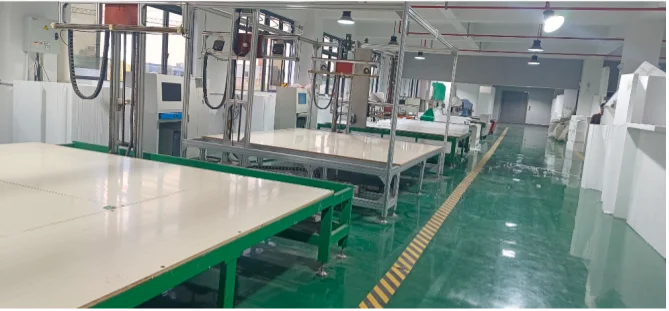
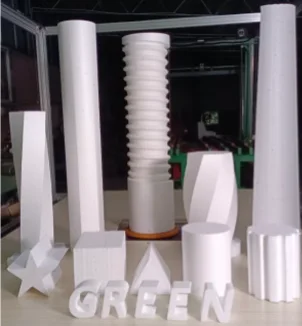
Packing & Wrapping:
After cutting, the finished boards are packed. This includes bagging the products to protect them and strapping the stacks tightly so they are secure for storage or shipping.
EPS Recycling and Circular Utilization
EPS foam not only enables energy-efficient production but also allows for the recycling of waste materials through multiple methods, creating a green circular economy. There are three main recycling pathways:
Method 1:the recycle particles will be mixed with virgin material for re-making block
Waste foam or edge trims are crushed, ground, and de-dusted to produce recycled foam particles sized 4 to 10 mm. These recycled particles can be mixed with virgin material at a ratio of 10% to 20% and fed back into block molding machines to produce new foam boards. This is the simplest and most direct recycling method.
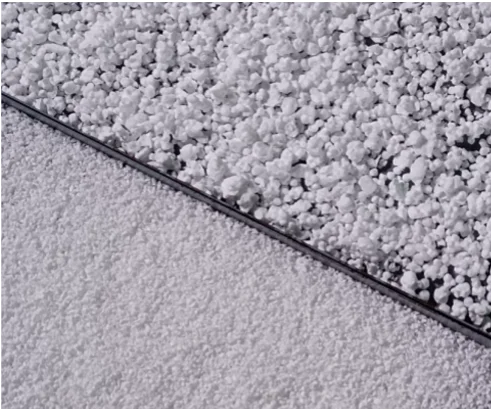
Method 2: Hot Melting for PS lump
Edge scraps or rejected foam products are hot-melted and compressed into GPPS (General Purpose Polystyrene) Lumps. These PS Lump are widely traded in the international market, The market demand for this material is enormous.
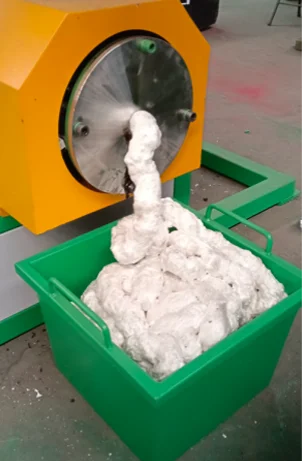
Method 3: Extrusion & Pelletizing (One-Step Process)
This is a higher value-added recycling method. EPS waste undergoes a series of processes—crushing → hot melting → extrusion → water cooling → cutting—to produce GPPS recycled pellets.
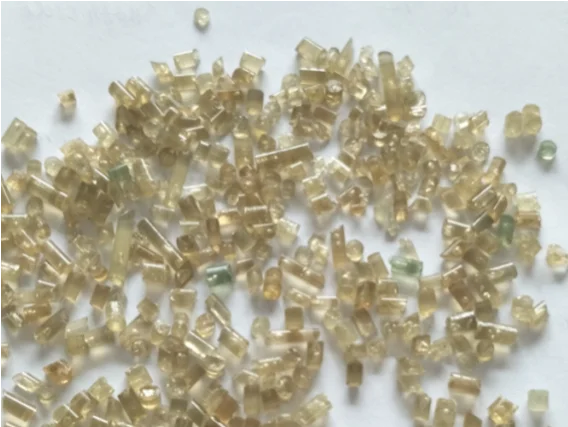
Wide Applications: GPPS pellets are a versatile, high-quality material used in various industries,
including:
- Raw material for XPS boards
- Raw material for PSP food containers
- Raw material for PS decorative profiles (such as baseboards, picture frames, etc.)
These three recycling methods not only solve the environmental challenge of foam waste but also create significant economic value, with strong and growing market demand.
Because foam products are so bulky (a cubic meter of foam can weigh very little), they take up a huge amount of space. This is why EPS factories always need a big warehouse for storing finished goods.
Safety management
Due to the flammable nature of EPS raw materials (which contain Pentane), fire and explosion prevention must be the highest priority in any EPS factory. Below are the most critical safety control points:
1.Raw Material Storage: Explosion Prevention & Ventilation
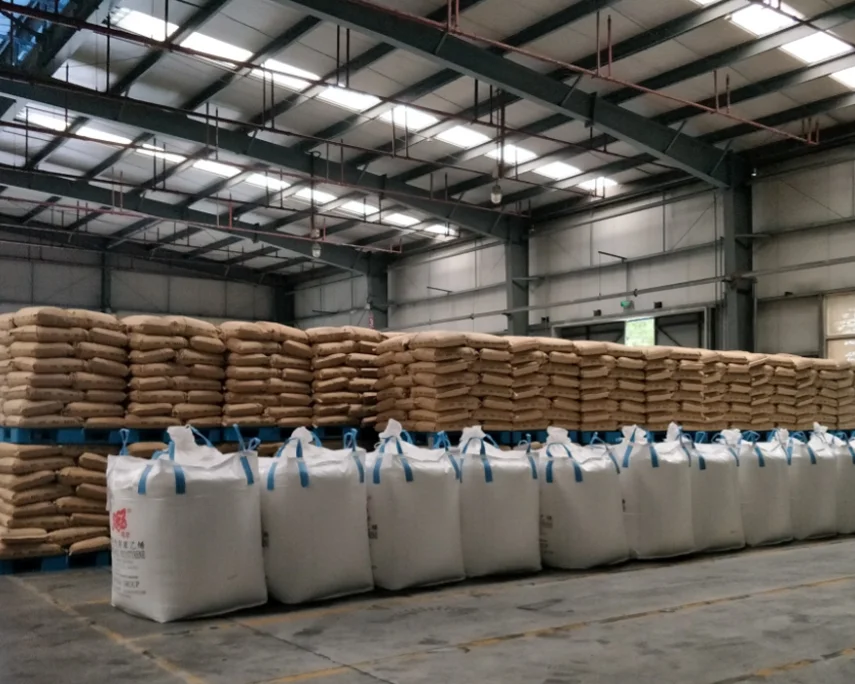
Cooling and Ventilation: Raw material warehouses typically require cooling to reduce activity. Crucially, they must have excellent ventilation, with airflow maintained at both the top and bottom levels. Since Pentane gas is heavier than air, it tends to settle near the floor. Proper ventilation prevents the accumulation of Pentane gas, keeping it below the explosive limit.
Static Electricity Elimination: All conveying pipes (metal pipes are recommended) and storage silos must be reliably grounded. This dissipates static electricity generated during transport and prevents static sparks that could trigger an explosion or fire.
2.Cutting, Packing, and Finished Goods Areas: Strict Fire Source Control
- No Open Flames: Open flames are strictly prohibited in the cutting, packing, and finished goods warehouse areas. This includes smoking and any unauthorized hot work.
- Electrical Safety: Electrical equipment and wiring in these areas must be professionally inspected regularly. Focus on checking for aging wires, poor connections, or short circuit risks. Given the presence of flammable foam dust and finished products, any electrical spark can lead to a serious accident.
- Static and Dust: Cutting machines must also be properly grounded. Additionally, it is important to regularly clean up dust and debris generated during cutting to reduce the accumulation of combustible materials.
- Safety management in an EPS factory centers on two key principles: preventing accumulation (of Pentane gas and combustible dust) and preventing sparks (from static electricity and electrical sources). Ensuring these details are properly addressed is essential for the long-term, stable operation of the facility.
Thank you very much !
.webp "Jinhua Green Building To Exhibit At The 2Nd China Homelife Saudi Arabia Expo — Visit Us At Booth 3V202 47")
.webp "Jinhua Green Building To Exhibit At The 13Th International Industrial Week — Visit Us At Booth 1Q215 49")


